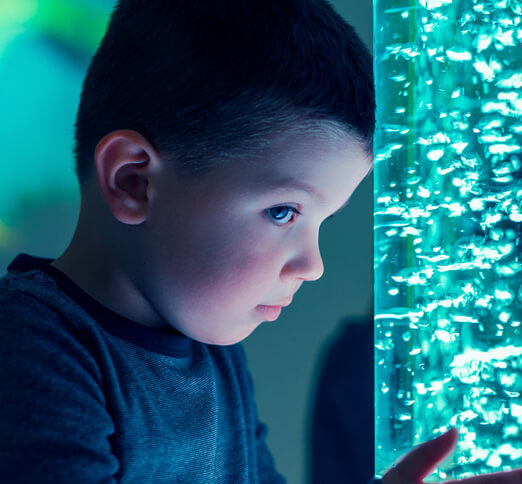
Neurological Diversity
All children are neurologically diverse, which means that each child’s brain is unique. This uniqueness is expressed through a child’s learning and play styles, personality, interests, imagination and creative thinking. However, it is important to remember that such differences in learning and development create new ways of thinking for both learner and teacher. It is important to remember that imagination and creative thinking is presented in many forms.
For some children such diversity in learning and development can make it harder for them to access learning environments and activities. It can appear that some aspects of the child’s development is on a different path to other children and so the child may have difficulty communicating and interacting with others, managing change and transitions, using their short term memory, processing sensory information, and being able to self-regulate emotions, their thoughts, attention and physical activity.
If you wish to find out more you may be interested to read the series of simple booklets – Understanding your Setting Through my Eyes, or ‘Introduction to Sensory Processing’, and ‘Face, Body and Voice – Creating New Opportunities for Interaction and Sustained Shared Thinking’.